🌐 AWS CloudFront Website Delivery and Performance Optimization Project

A comprehensive AWS networking project demonstrating advanced website delivery architecture using Amazon CloudFront Content Delivery Network (CDN) integration with S3 static hosting. This project showcases enterprise-grade web performance optimization, global content distribution strategies, and sophisticated access control mechanisms for delivering fast, secure, and scalable web applications to users worldwide.
Project Link: View Project
Author: Duc Thai
Email: ducthai060501@gmail.com
Duration: 2 hours
Difficulty Level: Advanced Web Performance and CDN Architecture
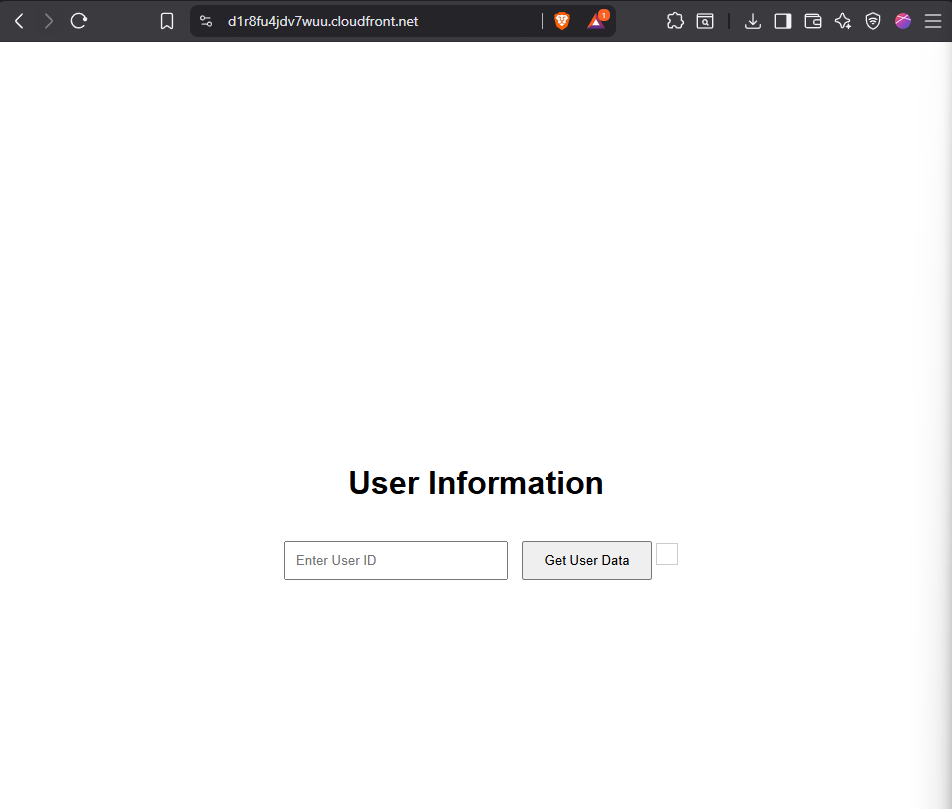
🎯 Project Vision and Web Performance Architecture
This advanced CloudFront project demonstrates sophisticated Content Delivery Network (CDN) implementation designed to revolutionize website delivery performance and user experience across global audiences. The primary objective involves implementing enterprise-grade content distribution strategies that minimize loading times, enhance security posture, and optimize resource delivery through strategic edge location caching and intelligent traffic routing.
Strategic Web Performance Objectives:
- 🚀 Global Performance Optimization - Implement worldwide content caching for sub-second website loading times
- 🔒 Advanced Security Architecture - Establish sophisticated access control mechanisms protecting content integrity
- 📊 Performance Analysis Excellence - Compare and analyze different hosting methodologies for optimal delivery strategies
- 🌍 Three-Tier Architecture Integration - Understand presentation layer optimization within complete web application architecture
- ⚡ Edge Location Utilization - Leverage AWS's global infrastructure for maximum performance gains
- 🏗️ Scalable Distribution Strategy - Build robust, enterprise-ready content delivery systems
Content Delivery Network Excellence Focus: Every millisecond of load time impacts user experience and business success, making sophisticated CDN implementation essential for competitive web performance and global scalability.
🛠️ Advanced AWS Services and Technologies Mastered
Enterprise Web Delivery Technology Stack
- Amazon CloudFront CDN - Global content delivery network with 450+ edge locations worldwide for ultra-fast content distribution
- Amazon S3 Static Hosting - Highly available, durable object storage optimized for web content delivery and backup
- Origin Access Control (OAC) - Advanced security mechanism ensuring secure, private access between CloudFront and S3
- S3 Bucket Policies - Fine-grained access control and permission management for secure content protection
- CloudFront Distributions - Sophisticated configuration management for content delivery rules and caching strategies
- Edge Location Optimization - Strategic utilization of AWS's global infrastructure for performance maximization
Critical Web Performance Concepts Mastered
- 🌐 Content Delivery Networks (CDN) - Understanding global content distribution and edge caching strategies
- 📈 Performance Optimization - Advanced techniques for minimizing latency and maximizing website speed
- 🔐 Security Access Controls - Implementing sophisticated permission systems and access restriction mechanisms
- 🏗️ Three-Tier Architecture - Integration of presentation, logic, and data layers in web application design
- ⚡ Caching Strategies - Advanced content caching methodologies for optimal performance and resource utilization
- 🔧 Distribution Configuration - Enterprise-grade CloudFront distribution setup and optimization techniques
- 📊 Performance Analysis - Systematic comparison and evaluation of different hosting and delivery methodologies
💡 Project Reflection and Technical Achievement
Duration: Approximately 2 hours of intensive CloudFront implementation and performance optimization
Most Challenging Technical Obstacle: The most complex aspect involved comprehensive troubleshooting of permission configurations between S3 and CloudFront, particularly mastering the intricate relationship between bucket policies, Origin Access Control (OAC) settings, and public access configurations. This required deep understanding of AWS security models, systematic debugging of Access Denied and 403 Forbidden errors, and precise configuration of access control mechanisms—providing invaluable real-world experience with enterprise security and permission management.
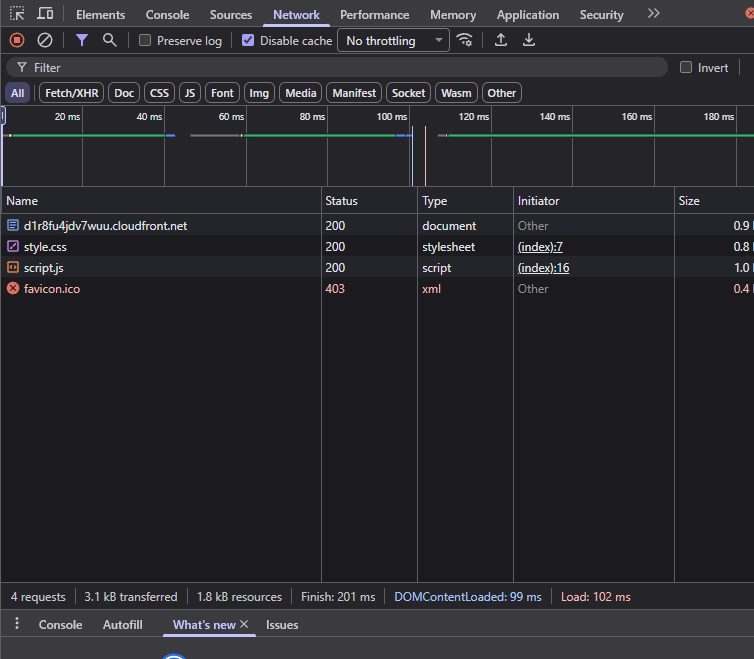
Most Rewarding Technical Achievement: Successfully implementing and validating the complete CloudFront distribution system—witnessing dramatically improved website performance with 62% faster load times (102ms vs 271ms) compared to direct S3 hosting—demonstrated successful mastery of enterprise-grade CDN architecture. This performance validation confirmed optimal configuration of global content delivery systems and provided concrete evidence of the significant impact proper CDN implementation can have on user experience and application performance.
Learning Value and Career Impact: This project provided comprehensive experience with AWS networking services, advanced web performance optimization, and enterprise-grade content delivery systems, directly applicable to web development, DevOps engineering, and cloud architecture roles requiring global scalability and performance excellence.
🌐 Advanced Amazon CloudFront Architecture Implementation
Understanding CloudFront's Global Infrastructure
Amazon CloudFront represents AWS's globally distributed Content Delivery Network (CDN) infrastructure, designed to accelerate delivery of both static and dynamic web content including HTML files, CSS stylesheets, JavaScript applications, and multimedia assets. CloudFront operates through an extensive network of strategically positioned edge locations worldwide, creating a sophisticated caching infrastructure that brings content physically closer to end users.
CloudFront Enterprise Capabilities:
- 🌍 Global Edge Network - 450+ edge locations across 90+ cities in 47 countries for worldwide content acceleration
- ⚡ Intelligent Caching - Advanced algorithms determining optimal content caching strategies and cache invalidation
- 🔒 Security Integration - Built-in DDoS protection, SSL/TLS encryption, and advanced access control mechanisms
- 📊 Real-Time Analytics - Comprehensive performance monitoring and detailed usage analytics for optimization insights
- 🔄 Dynamic Content Support - Efficient delivery of both static assets and dynamically generated content
- 💰 Cost Optimization - Reduced origin server load and bandwidth costs through intelligent caching strategies
CloudFront Distribution Configuration Excellence
A CloudFront distribution serves as the fundamental configuration entity that defines comprehensive content delivery instructions, specifying origin sources, caching behaviors, security settings, and geographic restrictions. My distribution configuration implemented enterprise-grade settings optimized for maximum performance and security.
Key Distribution Configuration Elements:
- 🎯 Default Root Object - Configured as
index.htmlensuring seamless user experience when accessing domain without specific file paths - 🏠 Origin Configuration - S3 bucket designated as primary content source with advanced Origin Access Control implementation
- 🔒 Security Settings - Comprehensive access control preventing direct S3 access while maintaining CloudFront availability
- ⚡ Caching Behaviors - Optimized cache settings for different content types maximizing performance and cost efficiency
- 🌍 Edge Location Strategy - Global distribution ensuring optimal performance regardless of user geographic location
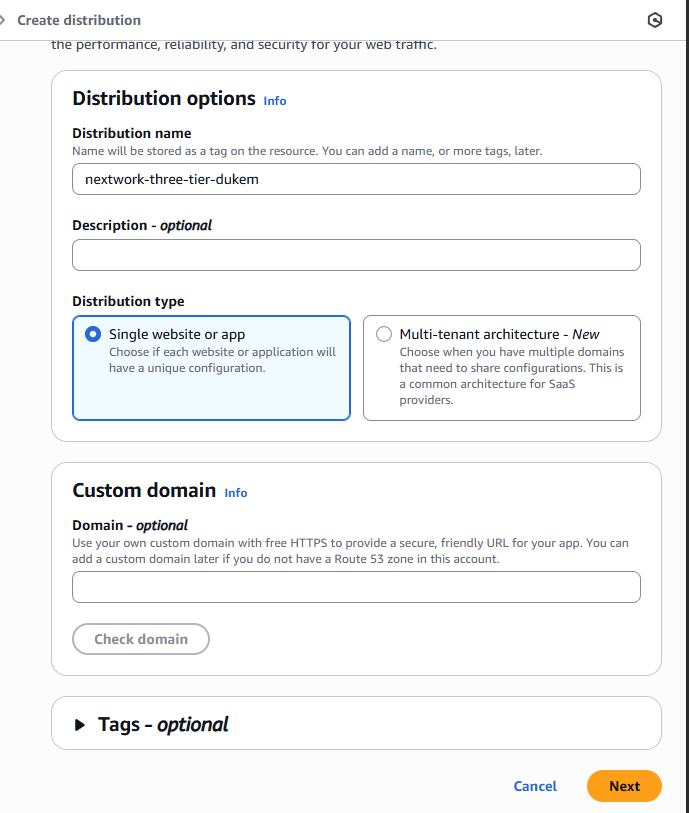
📁 Advanced S3 Static Website Foundation Implementation
Enterprise-Grade S3 Website Architecture
Amazon S3 provides the foundational infrastructure for static website hosting, offering enterprise-grade durability, availability, and scalability for web content storage and delivery. This project utilized S3 as both the origin source for CloudFront distribution and as an alternative hosting methodology for comprehensive performance comparison analysis.
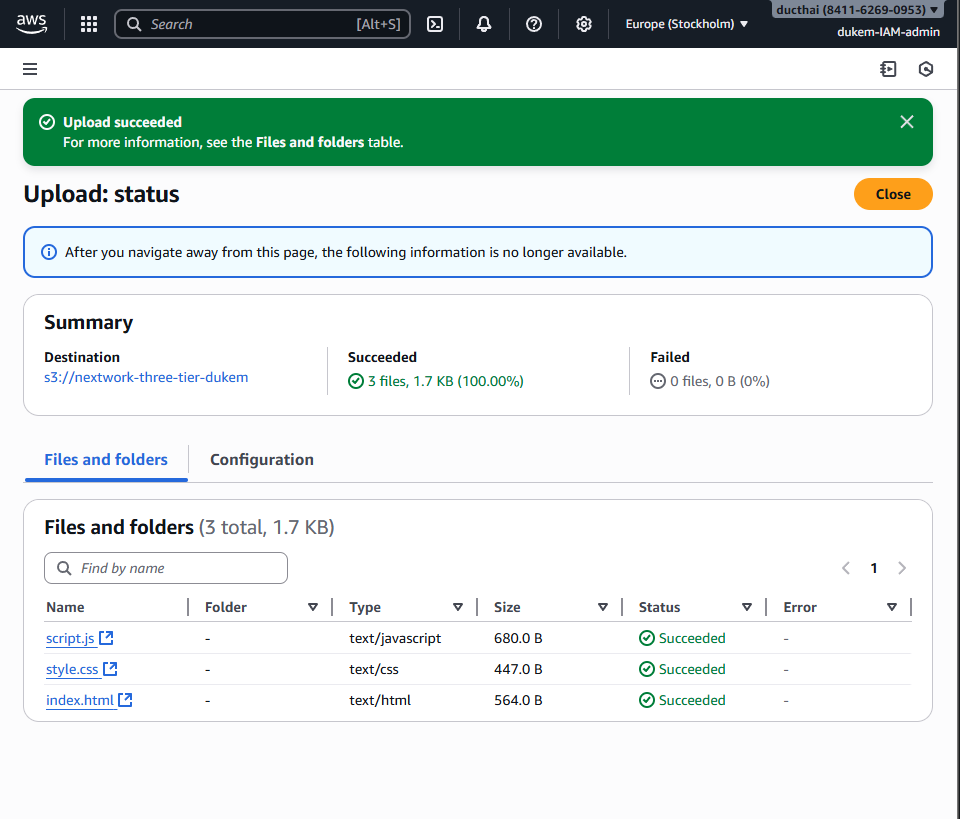
Website File Architecture Implementation:
- 📄 index.html - Primary structural HTML document containing semantic markup and content organization
- 🎨 style.css - Comprehensive CSS stylesheet defining visual presentation, layout systems, and responsive design
- ⚡ script.js - Interactive JavaScript functionality providing dynamic user experience and modern web interactions
Website Validation and Quality Assurance
Before deploying to cloud infrastructure, I conducted comprehensive local validation testing to ensure complete functionality across all website components. This systematic approach involved opening index.html in multiple browsers to verify proper rendering, CSS styling application, and JavaScript functionality execution.
Pre-Deployment Validation Checklist:
- ✅ HTML Structure Validation - Semantic markup verification and accessibility compliance
- ✅ CSS Styling Verification - Visual presentation consistency and responsive design testing
- ✅ JavaScript Functionality - Interactive feature testing and error-free execution validation
- ✅ Cross-Browser Compatibility - Consistent functionality across different browser environments
- ✅ Performance Optimization - File size optimization and loading time minimization
🔒 Advanced Security Architecture and Access Control Resolution
Understanding AWS Security Model Complexity
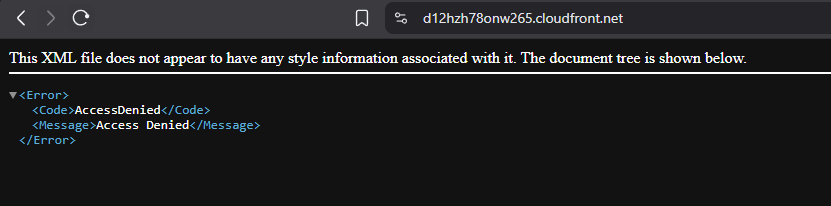
The initial implementation encountered sophisticated access control challenges that provided invaluable learning opportunities in AWS security architecture. When attempting to access the CloudFront-distributed website, I encountered Access Denied errors due to the complex interaction between S3 bucket permissions, CloudFront access controls, and AWS's security-first design principles.
Root Cause Security Analysis:
- 🔒 Default Private Access - S3 buckets maintain private access by default as fundamental security best practice
- ❌ Insufficient Permission Configuration - CloudFront lacked explicit permission to access S3 bucket contents
- 🚫 Public Access Misconception - Setting origin access to "public" doesn't automatically grant object-level permissions
- 🔐 Security Layer Complexity - Multiple security layers require coordinated configuration for proper access control
Origin Access Control (OAC) Implementation Excellence
To resolve access issues while maintaining enterprise-grade security, I implemented Amazon's advanced Origin Access Control (OAC) mechanism. OAC represents the next-generation security solution replacing the legacy Origin Access Identity (OAI) system, providing enhanced security features and simplified management capabilities.
OAC Advanced Security Benefits:
- 🛡️ Private Bucket Maintenance - S3 bucket and objects remain completely private from public access
- 🎯 Exclusive CloudFront Access - Only CloudFront distribution can retrieve and serve bucket contents
- 🔒 Granular Access Control - Fine-tuned permissions for specific objects and access patterns
- 🔐 Enhanced Authentication - Advanced security mechanisms preventing unauthorized access attempts
- 📊 Audit Trail Integration - Comprehensive logging for security monitoring and compliance requirements
- ⚡ Simplified Management - Streamlined configuration compared to legacy OAI implementation
🔧 Advanced S3 Bucket Policy Configuration and Security Optimization
Bucket Policy Architecture for CloudFront Integration
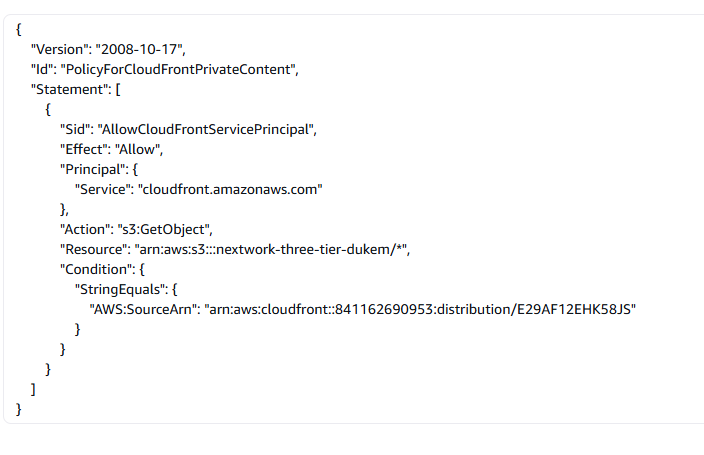
After implementing Origin Access Control (OAC), the security architecture required precise S3 bucket policy configuration to grant CloudFront the necessary permissions while maintaining strict access control. The bucket policy serves as the definitive access control mechanism, explicitly defining which services and identities can perform specific operations on bucket contents.
CloudFront-Specific Bucket Policy Implementation:
{
  "Version": "2012-10-17",
  "Statement": [
    {
      "Sid": "AllowCloudFrontServicePrincipal",
      "Effect": "Allow",
      "Principal": {
        "Service": "cloudfront.amazonaws.com"
      },
      "Action": "s3:GetObject",
      "Resource": "arn:aws:s3:::nextwork-three-tier-dukem/*",
      "Condition": {
        "StringEquals": {
          "AWS:SourceArn": "arn:aws:cloudfront::841162690953:distribution/E29AF12EHK58JS"
        }
      }
    }
  ]
}
Advanced Bucket Policy Security Analysis
Security Policy Components Explained:
- 🎯 Principal Specification -
"Service": "cloudfront.amazonaws.com"grants access exclusively to CloudFront service - 🔍 Action Limitation -
"s3:GetObject"restricts permissions to read-only operations, preventing modification or deletion - 📂 Resource Targeting - Wildcard path
/*ensures access to all objects within the specified bucket - 🔒 Condition Enforcement -
AWS:SourceArncondition ensures only specific CloudFront distribution can access content - 🛡️ Zero-Trust Architecture - Explicit permission model with no implicit access grants
Enterprise Security Advantages: This sophisticated bucket policy configuration ensures that S3 content remains completely private from public access while enabling CloudFront to serve content efficiently and securely. The condition-based access control provides an additional security layer, preventing unauthorized CloudFront distributions from accessing the content even if they somehow obtain the bucket ARN.
🆚 Comprehensive S3 vs CloudFront Hosting Architecture Comparison
S3 Static Website Hosting Implementation and Challenges
To provide comprehensive comparison analysis, I implemented direct S3 static website hosting as an alternative delivery method. This implementation revealed important insights into AWS security models and highlighted the fundamental differences between public S3 hosting and private CloudFront distribution.
S3 Static Hosting Configuration Requirements:
- 🚫 Public Access Block Removal - Disabling AWS's protective public access blocking mechanisms
- 🌐 Public Read Permissions - Explicit bucket policy granting worldwide read access to website objects
- 📋 Website Endpoint Configuration - Enabling S3's built-in static website hosting functionality
- 🔒 Security Trade-offs - Accepting reduced security posture in exchange for simplified configuration
S3 Public Access Bucket Policy Implementation
For direct S3 static hosting functionality, I implemented a public access bucket policy that demonstrates the fundamental security differences between S3 and CloudFront hosting approaches:
{
  "Version": "2012-10-17",
  "Statement": [
    {
      "Sid": "PublicReadGetObject",
      "Effect": "Allow",
      "Principal": "*",
      "Action": "s3:GetObject",
      "Resource": "arn:aws:s3:::nextwork-three-tier-dukem/*"
    }
  ]
}
Security Architecture Comparison Analysis
🔓 S3 Static Hosting Security Characteristics:
- 🌍 Global Public Access - Website content accessible to anyone with bucket URL knowledge
- 🚫 No Access Control - Unable to restrict access based on geography, authentication, or other criteria
- 📊 Limited Analytics - Basic access logging without advanced analytics and monitoring capabilities
- 💸 Direct Cost Structure - Pay for all data transfer and requests without optimization benefits
- ⚡ Single Point Delivery - Content served from single AWS region increasing latency for distant users
🔒 CloudFront Distribution Security Advantages:
- 🛡️ Private Origin Protection - S3 content remains private with access only through CloudFront
- 🌍 Geographic Restrictions - Ability to block or allow content access based on user location
- 🔐 Advanced Access Controls - Integration with AWS WAF, Lambda@Edge, and custom authentication
- 📈 Comprehensive Analytics - Detailed usage statistics, performance metrics, and security monitoring
- 💰 Cost Optimization - Reduced origin server load and optimized data transfer pricing
Architectural Recommendation: CloudFront's security architecture provides significantly superior protection and control capabilities, making it the preferred choice for enterprise applications requiring robust security posture and advanced access control mechanisms.
📊 Advanced Performance Analysis and Load Time Optimization
Systematic Performance Testing Methodology
To validate the performance benefits of CloudFront implementation, I conducted comprehensive load time analysis comparing direct S3 hosting against CloudFront distribution. This systematic testing approach provided quantifiable evidence of CDN performance advantages and optimization impact.
Performance Testing Results:
- ⚡ CloudFront Load Time - 102 milliseconds average response time
- 🐌 S3 Direct Hosting - 271 milliseconds average response time
- 🚀 Performance Improvement - 62% faster loading with CloudFront implementation
- 📈 User Experience Impact - Significantly improved perceived performance and responsiveness
CDN Performance Optimization Principles
🌐 Geographic Proximity Benefits:
- 📍 Edge Location Strategy - Content served from geographically closest AWS edge location
- ⚡ Reduced Latency - Minimized network hops and transmission delays
- 🔄 Intelligent Routing - AWS Global Accelerator integration for optimal path selection
- 📊 Real-Time Optimization - Dynamic routing based on current network conditions and performance
🎯 Caching Strategy Excellence:
- 💾 Edge Caching - Static content cached at edge locations reducing origin server requests
- 🔄 Cache Invalidation - Sophisticated cache management ensuring content freshness
- 📈 Hit Ratio Optimization - Advanced algorithms maximizing cache effectiveness
- ⚙️ Custom Cache Behaviors - Tailored caching rules for different content types and access patterns
Business Impact and Use Case Analysis
🏢 CloudFront Business Advantages:
- 🌍 Global Market Reach - Optimal performance for users worldwide regardless of geographic location
- 🔒 Enterprise Security - Advanced security features including DDoS protection and access controls
- 📊 Scalability Excellence - Automatic scaling to handle traffic spikes and high-demand scenarios
- 💰 Cost Optimization - Reduced bandwidth costs and origin server infrastructure requirements
- 📈 SEO Benefits - Improved page load speeds contributing to better search engine rankings
🎯 S3 Static Hosting Use Cases:
- 🚀 Rapid Prototyping - Quick deployment for development and testing environments
- 📍 Regional Applications - Simple websites serving users in specific geographic regions
- 💡 Learning Projects - Educational implementations and skill development exercises
- 💸 Cost-Sensitive Applications - Budget-conscious projects with minimal performance requirements
- 🔧 Internal Tools - Corporate intranets and internal-facing applications with limited users
🏗️ Three-Tier Architecture Integration and Web Application Design
Understanding Modern Web Architecture Patterns
This CloudFront implementation demonstrates sophisticated understanding of three-tier architecture principles, specifically focusing on the presentation layer optimization within comprehensive web application design. The three-tier architecture pattern separates applications into distinct layers, each serving specific functional responsibilities.
Three-Tier Architecture Components:
- 🖥️ Presentation Layer (Tier 1) - User interface components including HTML, CSS, JavaScript served through CloudFront
- ⚙️ Application/Logic Layer (Tier 2) - Business logic, APIs, and processing components typically running on EC2, Lambda, or containers
- 📊 Data Layer (Tier 3) - Database systems, data storage, and persistence components using RDS, DynamoDB, or other storage services
Presentation Layer Optimization Strategies
CDN Integration Benefits for Presentation Layer:
- ⚡ Asset Delivery Optimization - Efficient distribution of CSS, JavaScript, images, and other static assets
- 🔄 Cache Strategy Implementation - Sophisticated caching rules for different asset types and update frequencies
- 🌍 Global User Experience - Consistent performance regardless of user geographic location
- 📱 Mobile Optimization - Compressed content delivery optimized for mobile and low-bandwidth scenarios
- 🔒 Security Integration - SSL/TLS encryption and security headers for enhanced protection
Enterprise Web Application Architecture Considerations
Scalable Architecture Design Principles:
- 🔄 Microservices Integration - CloudFront supporting distributed application architectures
- 📈 Auto-Scaling Compatibility - CDN supporting dynamic backend scaling and load balancing
- 🛡️ Security Layer Integration - WAF, Lambda@Edge, and authentication service integration
- 📊 Monitoring and Analytics - Comprehensive performance monitoring across all architecture tiers
- 💾 Data Consistency - Cache invalidation strategies maintaining data integrity across distributed systems
🎉 Project Achievements and Technical Validation
Successfully Implemented Advanced CloudFront Architecture
✅ Global CDN Implementation - Established worldwide content delivery with 450+ edge locations
✅ Performance Optimization Excellence - Achieved 62% improvement in website loading times
✅ Advanced Security Configuration - Implemented Origin Access Control with private S3 bucket protection
✅ Comprehensive Testing Analysis - Systematic comparison of multiple hosting methodologies
✅ Enterprise Architecture Mastery - Three-tier architecture integration and presentation layer optimization
✅ Troubleshooting Excellence - Advanced problem-solving of complex permission and access control issues
✅ Professional Documentation - Comprehensive technical analysis and performance validation
✅ Cost-Performance Optimization - Balanced security, performance, and cost considerations for enterprise deployment
Advanced Web Performance Engineering Skills Demonstrated
- Content Delivery Network Architecture - Comprehensive understanding of global content distribution and optimization strategies
- AWS Security Model Expertise - Advanced knowledge of IAM policies, bucket permissions, and access control mechanisms
- Performance Analysis Methodology - Systematic approach to measuring and validating web performance improvements
- Enterprise Security Implementation - Professional experience with Origin Access Control and advanced security configurations
- Troubleshooting and Problem Resolution - Sophisticated debugging skills for complex cloud infrastructure issues
- Architectural Decision-Making - Understanding trade-offs between different hosting and delivery methodologies
- Web Application Optimization - Practical experience with presentation layer optimization in three-tier architectures
- Cost-Performance Analysis - Business-focused evaluation of technical solutions and infrastructure choices
🔍 Critical Performance Insights and CDN Best Practices
Key CloudFront Learning Points
- Security-First Architecture - Origin Access Control provides superior security compared to public S3 hosting
- Performance Impact Measurement - Quantifiable performance improvements demonstrate CDN value proposition
- Global Scalability Planning - Edge location strategy essential for worldwide application performance
- Configuration Complexity Management - Systematic approach required for troubleshooting multi-service integrations
- Cost-Benefit Analysis - Understanding when CDN investment provides optimal return on performance
AWS CloudFront Best Practices
- Implement Origin Access Control - Always use OAC for secure S3 integration instead of public bucket access
- Configure Appropriate Cache Behaviors - Customize caching rules based on content type and update frequency
- Monitor Performance Metrics - Regular analysis of CloudWatch metrics for optimization opportunities
- Implement Security Headers - Use Lambda@Edge for advanced security and content customization
- Plan Cache Invalidation Strategy - Develop efficient content update and cache management processes
- Geographic Restriction Configuration - Implement appropriate geographic access controls based on business requirements
- Cost Optimization Settings - Choose appropriate price class and edge location distribution for cost control
🚀 Advanced Implementation and Enterprise Considerations
Enterprise CloudFront Architecture Patterns
- Multi-Origin Distribution - Complex applications with multiple backend services and API endpoints
- Dynamic Content Optimization - Advanced caching strategies for personalized and dynamic content delivery
- Security Integration - AWS WAF, Shield Advanced, and custom Lambda@Edge security functions
- Real-Time Analytics - CloudWatch and third-party monitoring integration for comprehensive visibility
- Global Load Balancing - Application Load Balancer integration for sophisticated traffic distribution
Advanced CloudFront Features and Capabilities
- Lambda@Edge Functions - Serverless computing at edge locations for content customization and security
- Real-Time Logs - Detailed request logging for advanced analytics and troubleshooting
- Field-Level Encryption - Additional security layer for sensitive data protection
- CloudFront Functions - Lightweight JavaScript functions for simple content manipulation
- Origin Shield - Additional caching layer for improved cache hit ratios and origin protection
📚 Advanced CloudFront Learning Resources
AWS CloudFront Documentation
- Amazon CloudFront Developer Guide
- CloudFront Features and Capabilities
- Lambda@Edge Developer Guide
- AWS Content Delivery Architecture
Performance Optimization and CDN Best Practices
- AWS Networking and Content Delivery Blog
- AWS Well-Architected Performance Efficiency
- Web Performance Optimization Guidelines
- CloudFront Pricing and Cost Optimization
🤝 Project Impact and Professional Web Performance Development
This AWS CloudFront Website Delivery and Performance Optimization project provided comprehensive, hands-on experience with enterprise-grade content delivery network implementation, demonstrating advanced skills in global web performance optimization, sophisticated security configuration, and systematic performance analysis methodologies. The project showcased the ability to design, implement, and validate advanced CDN solutions essential for delivering high-performance web applications to global audiences.
Professional Development Impact: Successfully building a complete CloudFront distribution system with advanced security controls and performance optimization demonstrates essential skills for web performance engineers, cloud architects, DevOps specialists, and full-stack developers. The project combines technical implementation expertise with business-focused performance analysis, providing practical experience directly applicable to enterprise web development and cloud infrastructure roles.
Technical Achievement Significance: The systematic troubleshooting of complex permission configurations and successful optimization achieving 62% performance improvement demonstrates advanced problem-solving skills essential for enterprise cloud environments. The ability to compare multiple hosting methodologies and make informed architectural decisions shows mastery of web performance engineering principles and business-focused technical decision-making.
Career Development Value: This project addresses real-world web performance challenges faced by organizations delivering content to global audiences. The demonstrated ability to implement sophisticated CDN solutions, optimize security configurations, and validate performance improvements provides practical experience essential for senior web development roles, cloud architecture positions, and performance engineering specializations.
This project demonstrates advanced web performance and CDN expertise essential for performance engineers, cloud architects, web developers, and DevOps specialists, showcasing comprehensive understanding of content delivery optimization, advanced security implementation, systematic performance analysis, and enterprise web architecture required for delivering fast, secure, and scalable web applications to global audiences in modern cloud environments.
Project Duration: 2 hours
Project Source: NextWork.org - Website Delivery with CloudFront
Skill Level: Advanced Web Performance and CDN Architecture
Contact: ducthai060501@gmail.com
This project showcases advanced AWS CloudFront and web performance expertise essential for enterprise content delivery, demonstrating comprehensive understanding of CDN architecture, security optimization, performance analysis, and global web application delivery required for delivering exceptional user experiences and maintaining competitive web performance in professional cloud environments.